Historically, WASH programs have been gender-neutral at best, meaning that they largely ignore gender norms in favor of a one-size-fits-all approach to providing WASH facilities.
There is increasing awareness of the need for more gender-sensitive approaches based on different biological and social needs of women and men. The Water for Women project aimed to generate evidence on an intersectional gender and socially inclusive approach to sustainable and safely managed water and sanitation.
This research, led by Dr. Sheela Sinharoy, was a sub-study within the Revitalising Informal Settlements and their Environments (RISE) program – a five-year action-research program operating in 24 urban informal settlements in Indonesia and Fiji. Working with communities, governments, local leaders and partner institutions, RISE integrates water-sensitive infrastructure (such as constructed wetlands and bio-filtration gardens) into the settlements to strengthen the whole-of-life water and sanitation cycle. The aim of the RISE intervention is to reduce environmental contamination and improve human health and wellbeing across the 24 urban informal settlements.
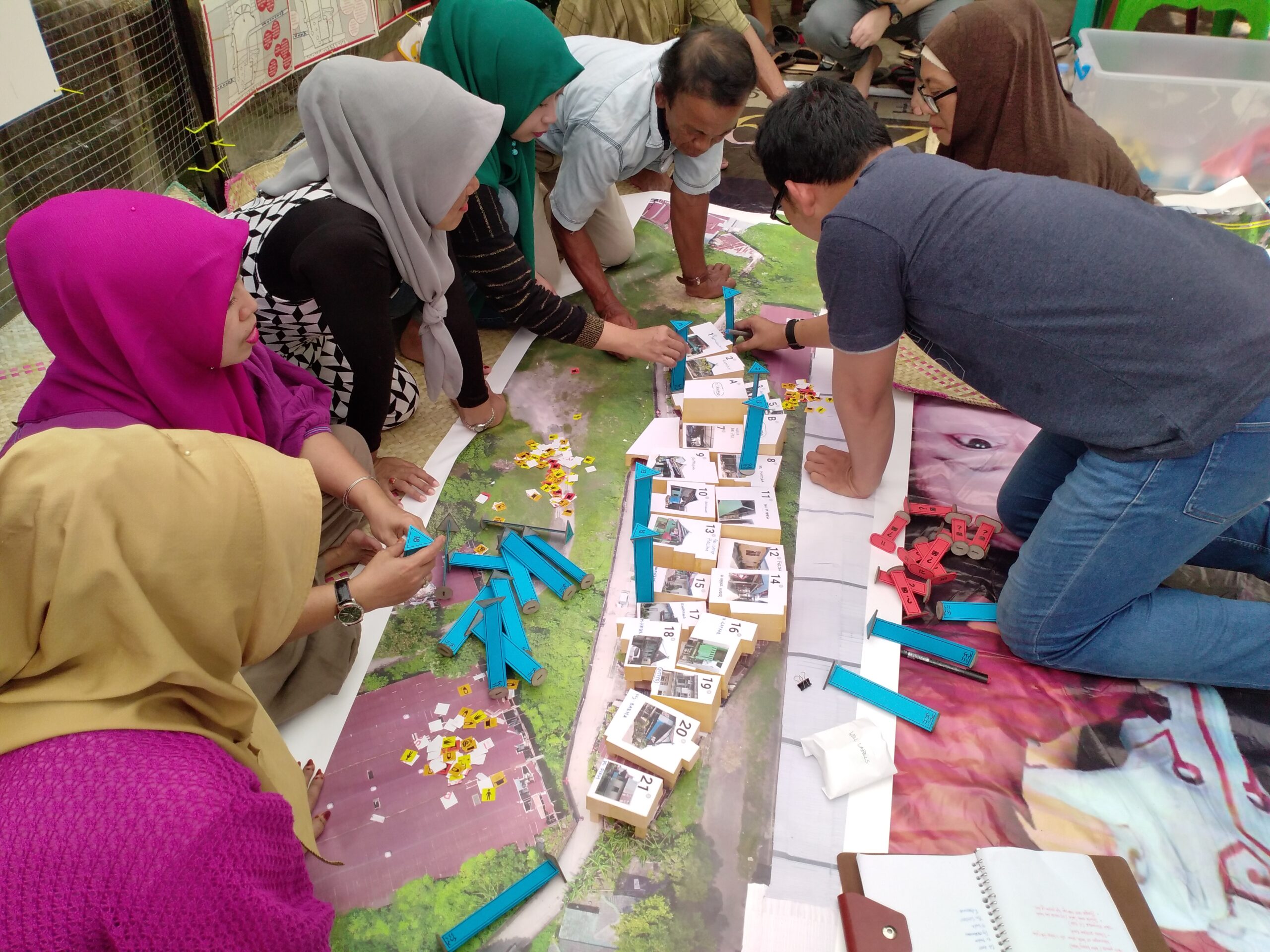
Co-design is a key element of RISE’s water and sanitation interventions: the process involves collaborative decision-making and planning, where researchers and residents of the informal settlements come together to plan the infrastructure solutions together. This sub-study within RISE focused primarily on the co-design process, to:
In addition to multiple scientific publications, the project resulted in a co-design toolkit, which can be used a reliable resource for future WASH projects for civil society organizations, governments and other WASH sector actors.
August 2019 – April 2022
Suva, Fiji; Makassar, Indonesia